New Power Generation Inc. 
NPG Financial Services Inc.
 
4700 Millenia Blvd 
Suite 500 Fifth Floor 
Orlando, FL 32839

npghq@npglife.org 

Investment

Bull & Bear Markets: A Timeline

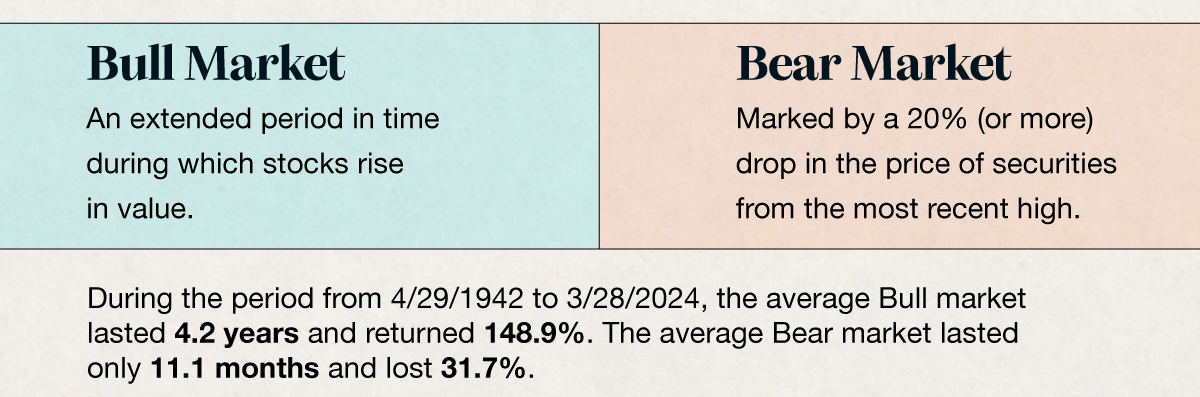
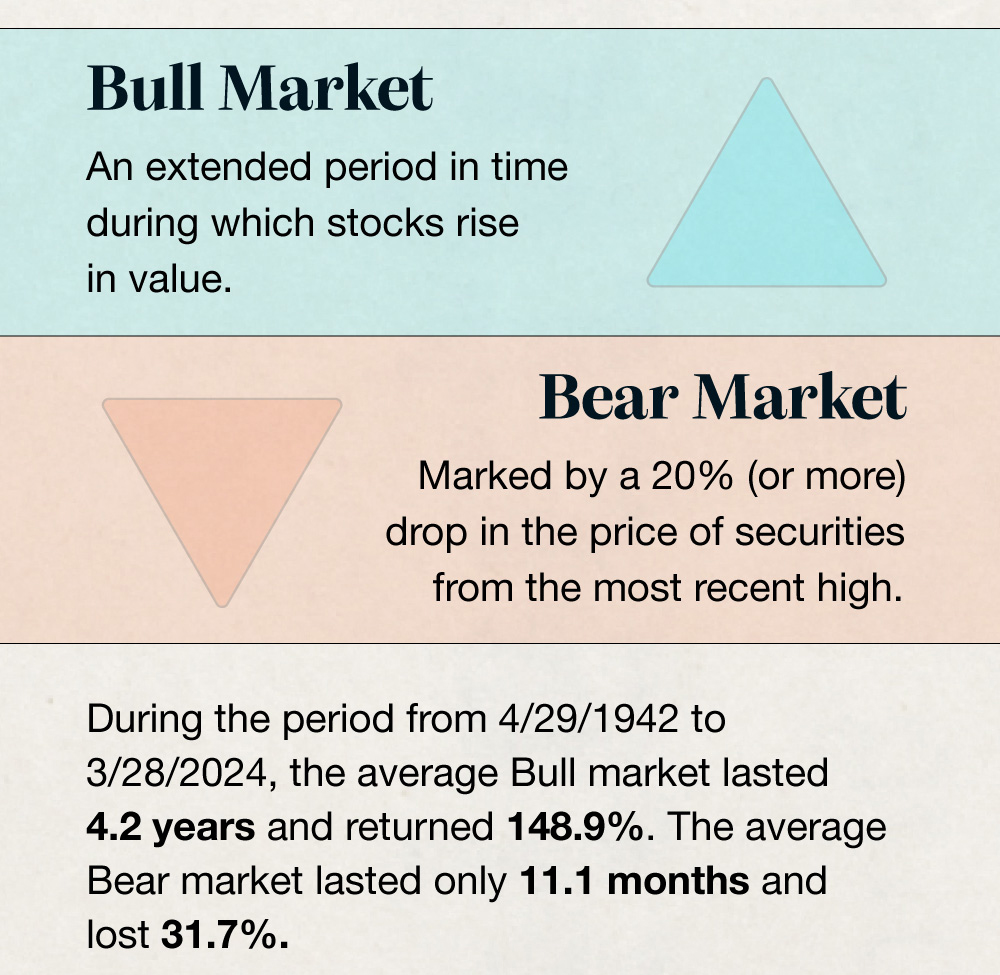
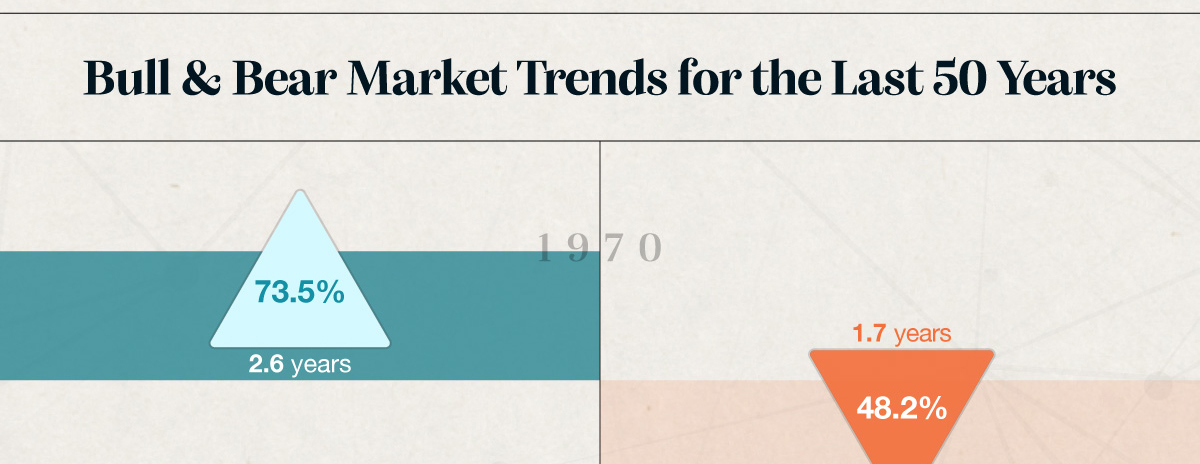
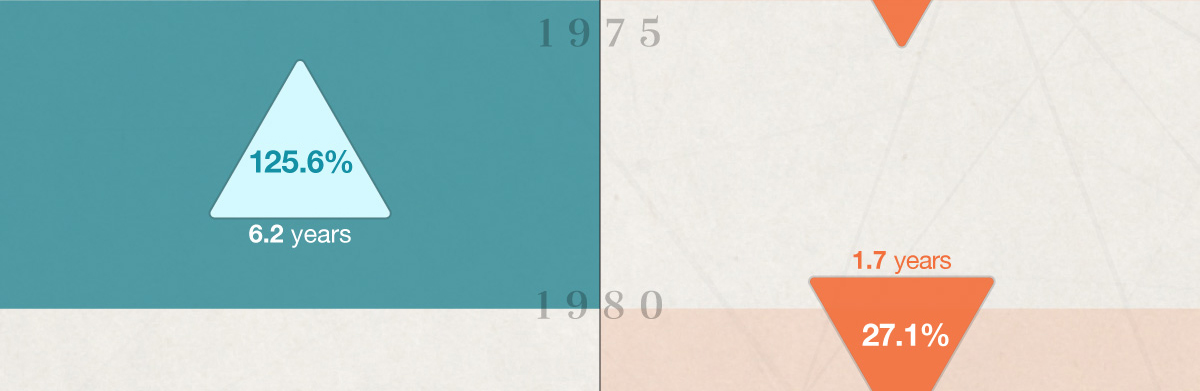
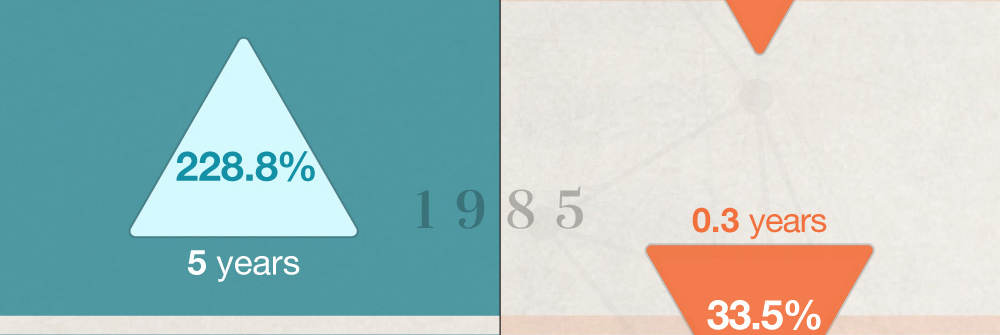
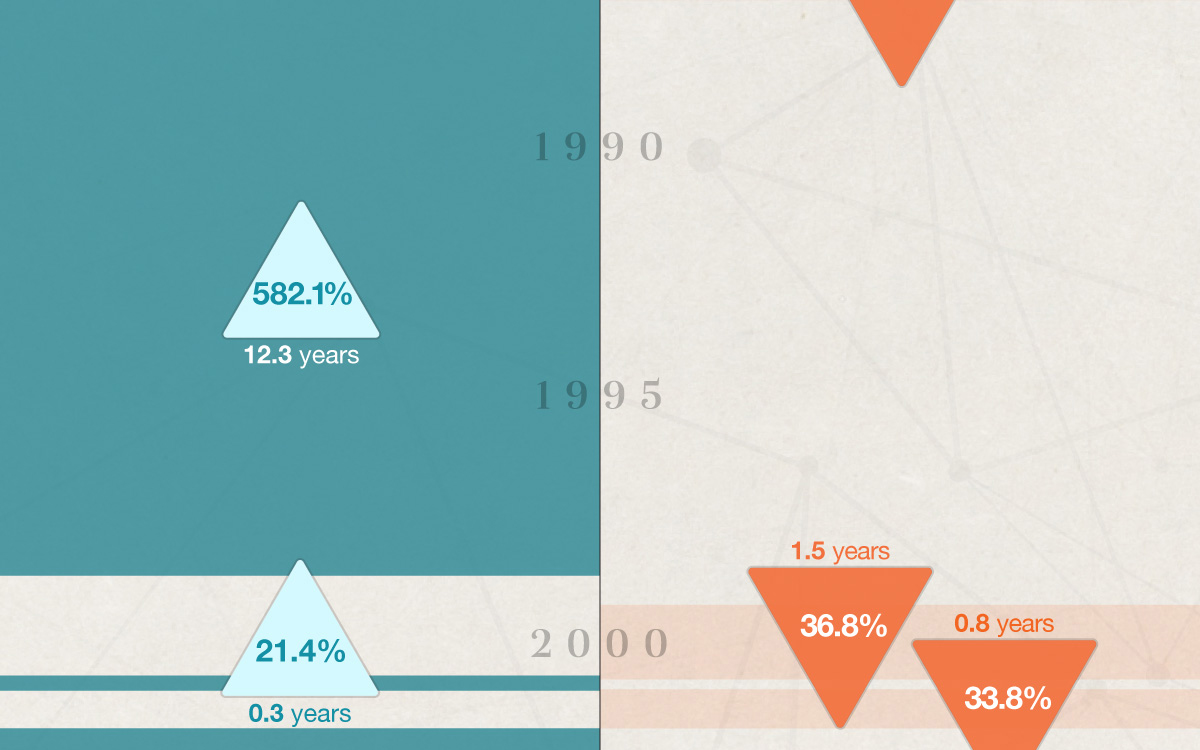
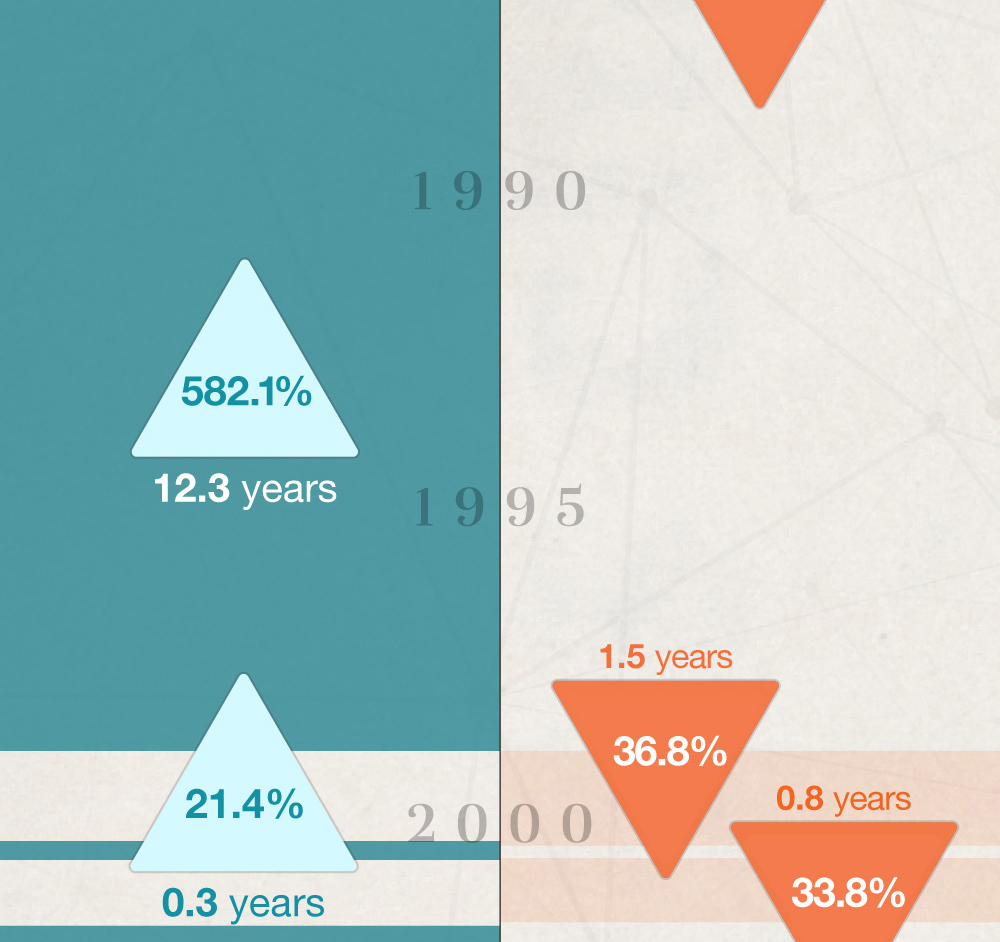
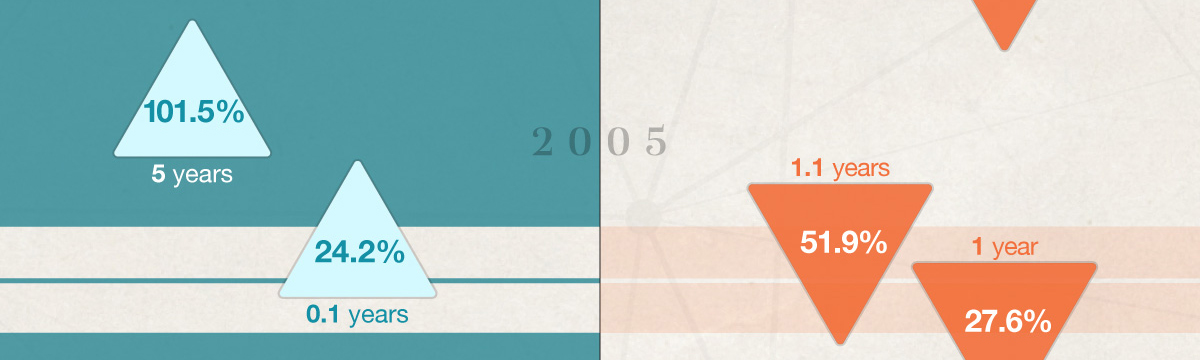
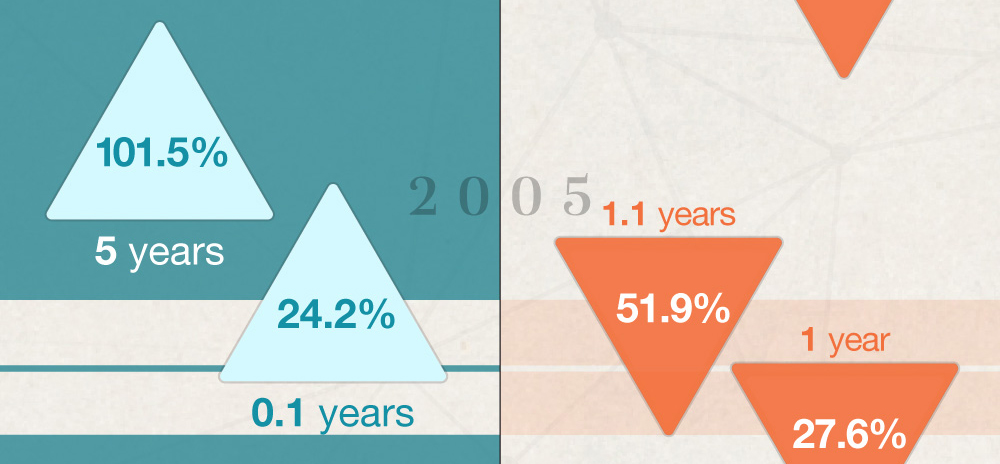
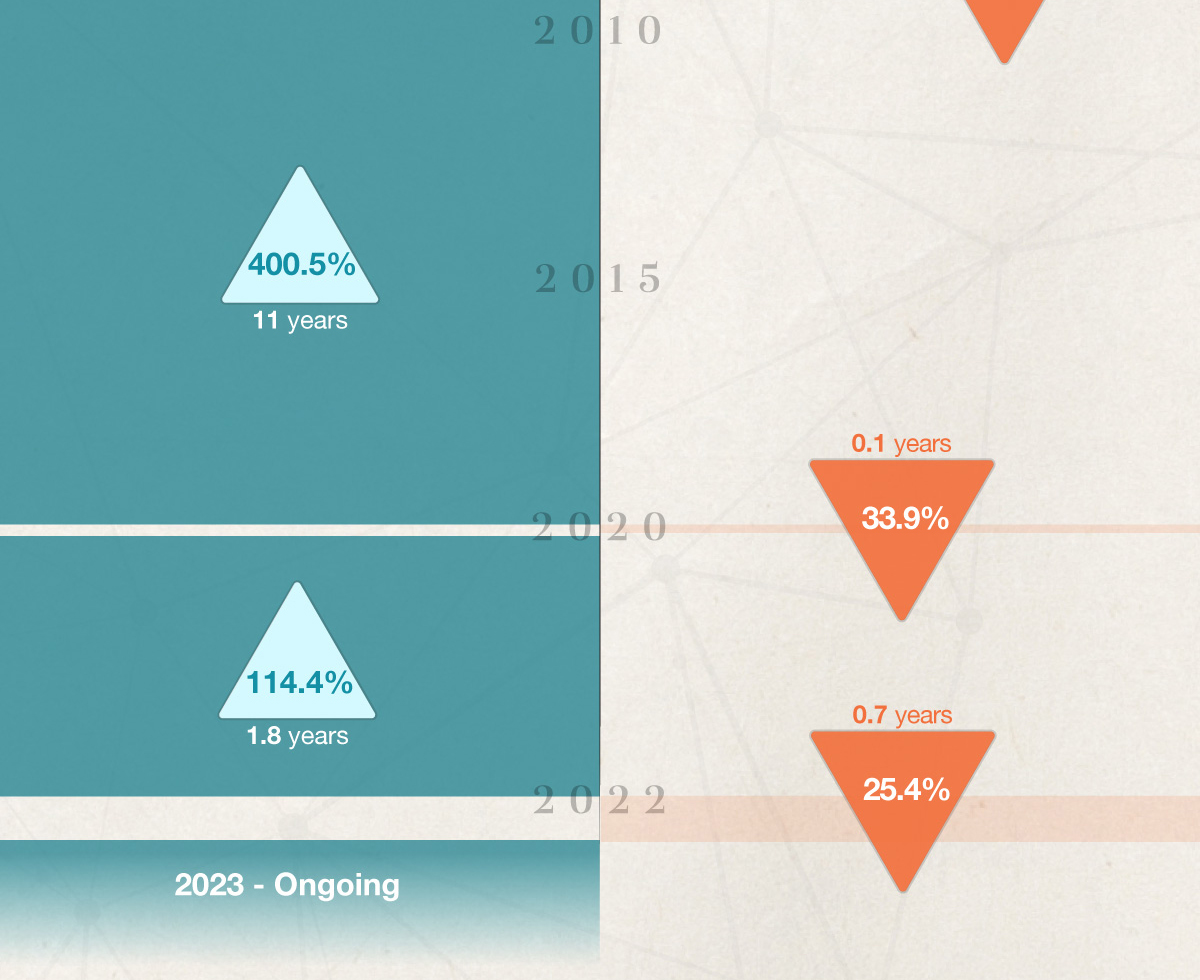
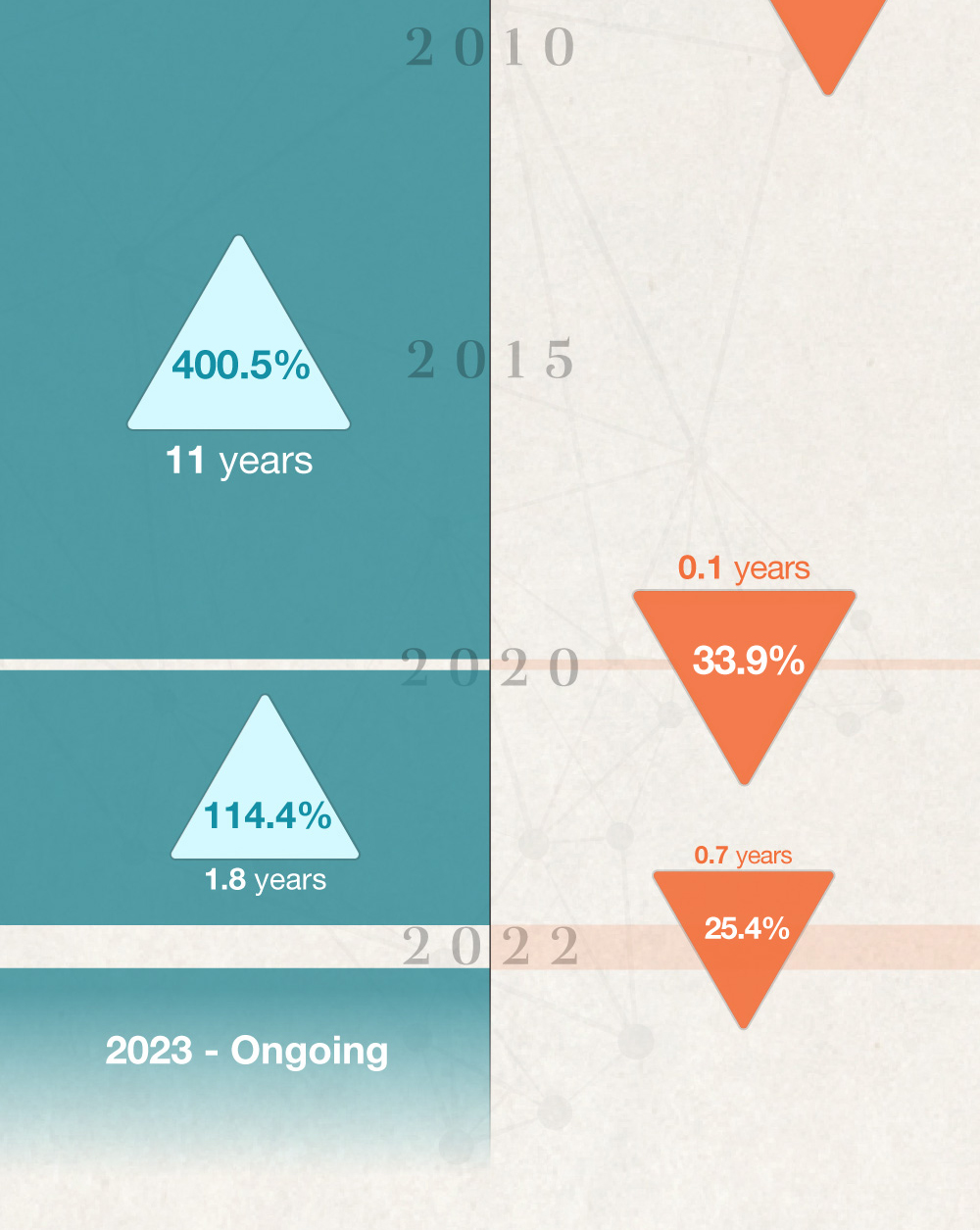
Bull & Bear Markets: A Timeline. Before 2020, the financial sector enjoyed one of the longest bull markets in history. Beginning in March 2009, the covid 19 pandemic ended this run in March 2020. However, recovery was swift, and a new bull market started in April that same year. As we face an uncertain road ahead, let's take a look at history's most recent bull and bear markets, as outlined by the S&P 500. Sources 1 and 2. Investing involves risks, and investment decisions should be based on your own goals, time horizon and tolerance for risk. The S&P 500 is an unmanaged index that is generally considered representative of the U.S. stock market. Index performance is not indicative of the past performance of a particular investment. Past performance does not guarantee future results. Individuals cannot invest directly in an index.Bull & Bear Markets: A Timeline. Before 2020, the financial sector enjoyed one of the longest bull markets in history. Beginning in March 2009, the covid 19 pandemic ended this run in March 2020. However, recovery was swift, and a new bull market started in April that same year. As we face an uncertain road ahead, let's take a look at history's most recent bull and bear markets, as outlined by the S&P 500. Sources 1 and 2. Investing involves risks, and investment decisions should be based on your own goals, time horizon and tolerance for risk. The S&P 500 is an unmanaged index that is generally considered representative of the U.S. stock market. Index performance is not indicative of the past performance of a particular investment. Past performance does not guarantee future results. Individuals cannot invest directly in an index.Bull Market: An extended period in time in which stocks rise in value. Bear Market: Marked by a 20% (or more) drop in the price of securities from the most recent high. The average Bull market lasted 52.8 months and returned 152.6 percent. The average Bear market lasted only 11.3 months and lost 32.1 percent.Bull Market: An extended period in time in which stocks rise in value. Bear Market: Marked by a 20% (or more) drop in the price of securities from the most recent high. The average Bull market lasted 52.8 months and returned 152.6 percent. The average Bear market lasted only 11.3 months and lost 32.1 percent.Bull & Bear Market Trends For the Last 50 Years. Starting in 1970, there was a 73.5 percent increase over the course of 2.6 years. Starting in 1973, there was a 48.2 percent decrease over the course of 1.7 years.Bull & Bear Market Trends For the Last 50 Years. Starting in 1970, there was a 73.5 percent increase over the course of 2.6 years. Starting in 1973, there was a 48.2 percent decrease over the course of 1.7 years.Starting in 1974, there was a 125.6 percent increase over the course of 6.2 years. Starting in 1980, there was a 27.1 percent decrease over the course of 1.7 years.Starting in 1974, there was a 125.6 percent increase over the course of 6.2 years. Starting in 1980, there was a 27.1 percent decrease over the course of 1.7 years.Starting in 1982, there was a 228.8 percent increase over the course of 5 years. Starting in 1987, there was a 33.5 percent decrease over the course of .3 years.Starting in 1982, there was a 228.8 percent increase over the course of 5 years. Starting in 1987, there was a 33.5 percent decrease over the course of .3 years.Starting in 1987, there was a 582.1 percent increase over the course of 12.3 years. Starting in 2000, there was a 36.8 percent decrease over the course of 1.5 years. Starting in 2001, there was a 21.4 percent increase over the course of .3 years. Later that same year, there was a 33.8 percent decrease over the course of .8 years.Starting in 1987, there was a 582.1 percent increase over the course of 12.3 years. Starting in 2000, there was a 36.8 percent decrease over the course of 1.5 years. Starting in 2001, there was a 21.4 percent increase over the course of .3 years. Later that same year, there was a 33.8 percent decrease over the course of .8 years.Starting in 2002, there was a 101.5 percent increase over the course of 5 years. Starting in 2007, there was a 51.9 percent decrease over the course of 1.1 years. Starting in 2008, there was a 24.2 percent increase over the course of .1 years. Later that same year, there was a 27.6 percent decrease over the course of 1 year.Starting in 2002, there was a 101.5 percent increase over the course of 5 years. Starting in 2007, there was a 51.9 percent decrease over the course of 1.1 years. Starting in 2008, there was a 24.2 percent increase over the course of .1 years. Later that same year, there was a 27.6 percent decrease over the course of 1 year.Starting in 2009, there was a 400.5 percent increase over the course of 11 years. Starting in 2020, there was a 33.9 percent decrease over the course of .1 years. There’s been an ongoing increase since 2020.Starting in 2009, there was a 400.5 percent increase over the course of 11 years. Starting in 2020, there was a 33.9 percent decrease over the course of .1 years. There’s been an ongoing increase since 2020.Source 1: CaptiveInternational.com, 2021. Source 2: Yardeni.com, 2022. The content is developed from sources believed to be providing accurate information. The information in this material is not intended as tax or legal advice. It may not be used for the purpose of avoiding any federal tax penalties. Please consult legal or tax professionals for specific information regarding your individual situation. This material was developed and produced by FMG Suite to provide information on a topic that may be of interest. FMG, LLC, is not affiliated with the named broker-dealer, state- or SEC-registered investment advisory firm. The opinions expressed and material provided are for general information, and should not be considered a solicitation for the purchase or sale of any security.Source 1: CaptiveInternational.com, 2021. Source 2: Yardeni.com, 2022. The content is developed from sources believed to be providing accurate information. The information in this material is not intended as tax or legal advice. It may not be used for the purpose of avoiding any federal tax penalties. Please consult legal or tax professionals for specific information regarding your individual situation. This material was developed and produced by FMG Suite to provide information on a topic that may be of interest. FMG, LLC, is not affiliated with the named broker-dealer, state- or SEC-registered investment advisory firm. The opinions expressed and material provided are for general information, and should not be considered a solicitation for the purchase or sale of any security.
 

Related Content

Dreaming Up an Active Retirement

Dreaming Up an Active Retirement

When you retire, how will you treat your next chapter?

Suddenly Single: 3 Steps to Take Now

Suddenly Single: 3 Steps to Take Now

Have you found yourself suddenly single? Here are 3 steps to take right now.

Estate Management 101

Estate Management 101

A will may be only one of the documents you need—and one factor to consider—when it comes to managing your estate.


Have A Question About This Topic?


Thank you! Oops!

How Big is Money?

Learn a little about worldwide currency in this fun infographic

Counteracting Capital Gains with Tax-Loss Harvesting

You may have heard the phrase "tax-loss harvesting." A financial professional may be able to provide some guidance.

A Decision Not Made Is Still a Decision

Investors who put off important investment decisions may face potential consequences to their future financial security.

View all articles

Disability Income

This calculator estimates your chances of becoming disabled and your potential need for disability insurance.

Bi-Weekly Payments

This calculator estimates the savings from paying a mortgage bi-weekly instead of monthly.

My Retirement Savings

Estimate how long your retirement savings may last using various monthly cash flow rates.

View all calculators

Bursting the Bubble

Tulips were the first, but they won’t be the last. What forms a “bubble” and what causes them to burst?

Jane Bond: Scaling the Ladder

Agent Jane Bond is on the case, uncovering the mystery of bond laddering.

Top 5 Things to Tell Your Financial Pro

Here are the top 5 things your team may want to hear.

View all videos